Milk
Allergen G of the 14 allergens that must be declared under EU Regulation 1169/2011
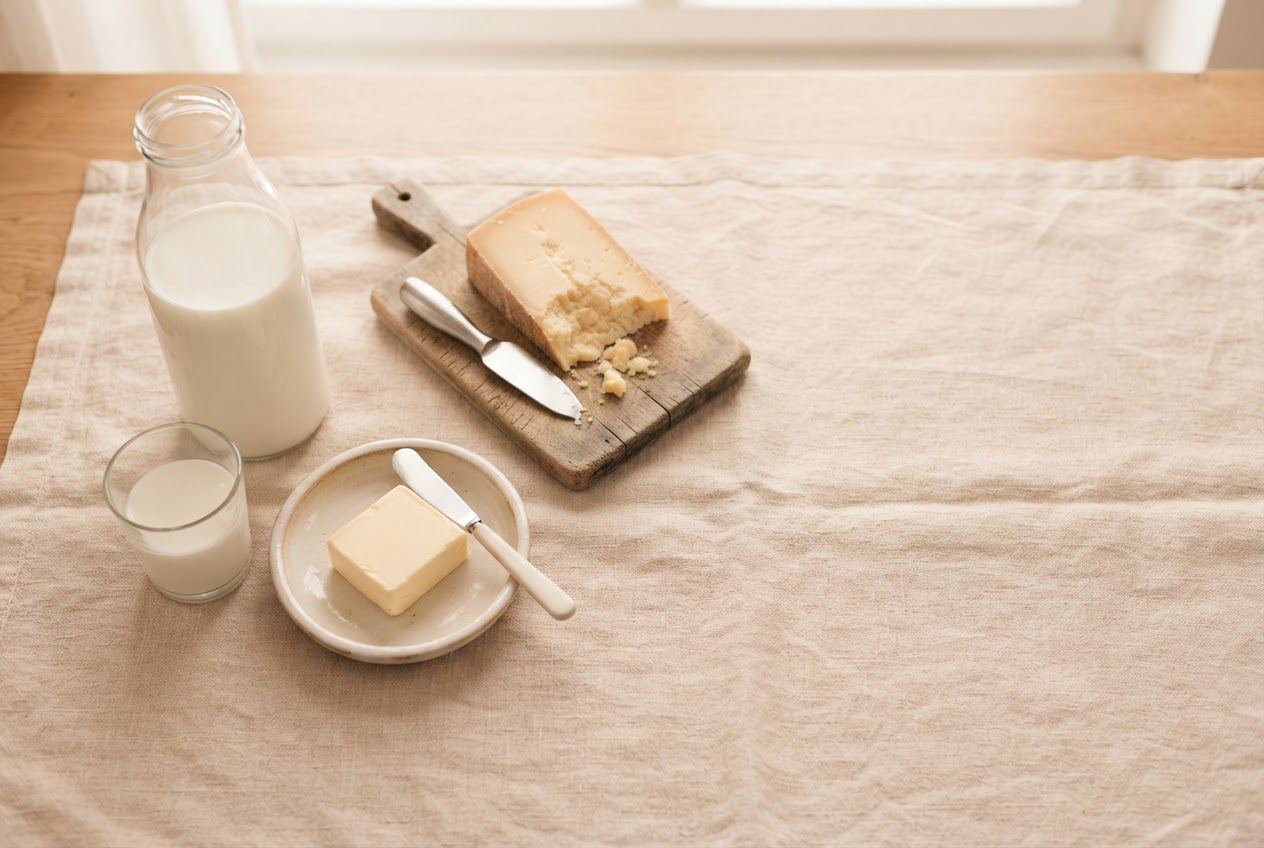
Where milk can hide
Butter and clarified butter
Sauces, fried potatoes, pastries
Cream
Soups, sauces, mash, desserts
Cheese
Gratins, parmesan on pasta, fillings
Milk powder and whey
Bread, sausages, ready-made sauces, breadcrumbs
Casein
Meat substitutes, some tinned tuna
Chocolate
Desserts, glazes, cocoa drinks
Potato products
Instant mash, croquettes, dumplings
Marinades
Yoghurt marinades, buttermilk in coatings
What restaurants must declare
- The letter G next to every dish that contains milk, right on the menu.
- A key to the letter codes, clearly visible in the restaurant or on the menu.
- Information given orally only by a person with documented training, with the allergens of each dish recorded in writing.
- Update with every change to a recipe.
Frequently asked questions
- Is lactose free the same as milk free?
- No. Lactose free milk still contains milk protein and is declared as G. A milk allergy reacts to the protein, lactose intolerance to the milk sugar.
- Do sheep's and goat's milk count as milk too?
- Yes. Annex II speaks of milk without limiting it to cow's milk. Sheep's, goat's and buffalo milk and everything made from them get the letter G.
- Does butter in a sauce have to be declared?
- Yes. Butter is a dairy product. Every dish with butter, cream or cheese worked into it carries the letter G, however small the amount.
Related allergens (animal proteins)
Sources: Regulation (EU) No 1169/2011, Annex II · Austrian Allergen Information Ordinance, Federal Law Gazette II No 175/2014 · Codex recommendation on letter codes (Austrian Ministry of Health, 2014)
Declare milk properly on your menu.
The digital menu marks the 14 allergens on every dish.